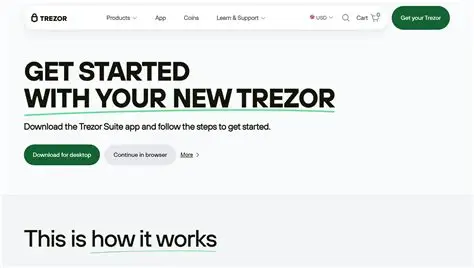
Introduction to Trezor
Trezor is a hardware wallet designed to provide a secure, offline method to store cryptocurrencies. Unlike software wallets, Trezor keeps your private keys on a physical device, ensuring they are never exposed to the internet. This reduces the risk of hacking, phishing, and malware attacks.
With support for multiple cryptocurrencies such as Bitcoin, Ethereum, and ERC-20 tokens, Trezor allows users to manage digital assets safely and efficiently. This guide will walk you through setting up your Trezor wallet, logging in, ensuring security, recovering your wallet, and managing multiple cryptocurrencies.
What is Trezor?
Trezor is a non-custodial hardware wallet, which means that you alone control your private keys and recovery seed. Its primary features include:
Secure storage for Bitcoin, Ethereum, and hundreds of other cryptocurrencies
Offline transaction signing to prevent hacking attempts
Generation of a recovery seed phrase for wallet restoration
Safe integration with decentralized applications (DApps)
Because private keys never leave the device, Trezor offers a high level of security even if your computer or smartphone is compromised.
Trezor Models
Trezor offers multiple models to cater to different needs:
Trezor One – An entry-level wallet that provides essential security features at an affordable price.
Trezor Model T – A premium model with a touchscreen, enhanced security features, and broader support for cryptocurrencies.
Both models require physical confirmation of transactions, adding an extra layer of security against malware or remote attacks.
Step 1: Unbox and Inspect Your Device
Before setting up your Trezor wallet:
Open the box carefully and ensure the security seal is intact
Inspect the device for any signs of tampering
Inside the package, you will find:
The Trezor device
USB cable
Recovery seed card
Important: Always purchase Trezor devices directly from Trezor.io or authorized resellers to avoid tampered or counterfeit devices.
Step 2: Visit Trezor Start
Go to https://trezor.io/start to initiate setup.
Verify the URL to avoid phishing websites
Trezor Start will guide you to download Trezor Bridge or Trezor Suite, depending on your operating system
Using the official website ensures a secure setup process.
Step 3: Connect Trezor to Your Computer
Connect the Trezor device using the supplied USB cable
Open Trezor Suite or the web interface
Wait for the device to be recognized
Once connected, the device will display a welcome screen prompting you to initialize your wallet.
Step 4: Initialize Your Wallet
During initialization, you can:
Create a New Wallet – Generates a new wallet with a unique recovery seed
Recover Wallet – Restores an existing wallet using your recovery seed
If this is your first Trezor, select “Create a New Wallet.” If you already have a wallet, use the recovery option.
Step 5: Set Up a Recovery Seed
The recovery seed is the most critical security feature:
The device displays a 12- or 24-word sequence
Write it down exactly in order on the recovery card
Never store it digitally or online
Confirm the seed on the device when prompted
Security Tip: Keep multiple copies of your recovery seed in separate secure locations. Losing the seed results in permanent loss of access to your funds.
Step 6: Create a PIN Code
Trezor requires a PIN to access the wallet:
Choose a secure and memorable PIN
The device displays a randomized keypad to prevent keylogger attacks
Enter the PIN each time you unlock the wallet
The PIN protects your funds if your device is lost or stolen.
Step 7: Install Trezor Suite
Trezor Suite is a desktop or web application for managing your wallet:
Download it from Trezor.io/start
Connect your device and follow setup instructions
Use Suite to view balances, send/receive cryptocurrency, and manage multiple accounts
Trezor Suite also provides firmware updates, ensuring your device remains secure and up to date.
Step 8: Logging into Trezor
Logging in requires physical interaction on the device:
Connect your Trezor to the computer
Enter your PIN
Unlock your wallet in Trezor Suite or a compatible interface
Every login and transaction must be approved on the device, preventing remote malware attacks.
Step 9: Sending and Receiving Cryptocurrency
To send crypto:
Open Trezor Suite or a compatible app
Select the account to send from
Enter the recipient’s address and amount
Confirm the transaction on the Trezor device
To receive crypto:
Open your wallet
Copy your receiving address
Share it with the sender
Verify the address on the device before sharing
Tip: Always verify addresses on the device to prevent malware from altering them.
Step 10: Security Best Practices
To maximize security:
Never share your recovery seed
Avoid storing it digitally
Verify official Trezor websites before downloading software
Keep firmware updated
Use a strong, unique PIN
Following these practices reduces the risk of phishing, malware, and unauthorized access.
Step 11: Firmware Updates
Firmware updates improve security and functionality:
Connect your device to Trezor Suite
Follow prompts to install updates
Only use official Trezor firmware
Never install third-party firmware, as it may compromise your device.
Step 12: Recovering Your Wallet
If your device is lost, stolen, or damaged:
Purchase a new Trezor
Select “Recover Wallet” during setup
Enter your recovery seed exactly
Set a new PIN
Access all accounts and funds
Recovery is only possible with your original seed phrase.
Step 13: Connecting Trezor to DApps
Trezor can connect with decentralized applications (DApps) such as:
MetaMask
MyEtherWallet (MEW)
MyCrypto
Connecting:
Open the DApp
Select “Connect Wallet”
Choose Trezor
Approve the connection on the device
Connect only to trusted DApps to prevent unauthorized access.
Step 14: Multi-Currency Management
Trezor supports a wide range of cryptocurrencies:
Bitcoin (BTC), Ethereum (ETH), Litecoin (LTC), and more
ERC-20 and other blockchain tokens
Manage multiple accounts through Trezor Suite
All transactions are signed offline, protecting your assets across all supported currencies.
Step 15: Troubleshooting Common Issues
Common issues and solutions:
Device not recognized: Check USB connections and Trezor Suite
Forgot PIN: Recover wallet using recovery seed
Firmware errors: Reinstall firmware via Suite
Unrecognized addresses: Verify addresses on the device
Always use official Trezor resources for troubleshooting.
Step 16: Logging Out and Device Safety
Trezor wallets do not stay logged in:
Disconnect the device when not in use
Store it securely
Keep recovery seeds offline
These steps prevent unauthorized access.
Step 17: Emergency Tips and Best Practices
Make multiple secure backups of your recovery seed
Avoid storing sensitive data digitally
Purchase devices only from official sources
Keep firmware updated
Enable passphrase protection for additional security
Following these practices ensures asset safety even in emergencies.
Step 18: Conclusion
Setting up and logging into Trezor is straightforward when following proper procedures. Key points:
Trezor is a non-custodial hardware wallet
Use official resources at Trezor.io/start
Protect your recovery seed offline
Confirm all transactions on the device
Connect only to trusted DApps
Following this guide ensures your cryptocurrencies are secure, accessible, and fully under your control.